You may be unfamiliar with metacognition. The formal dictionary definition is: Metacognition is the ability to examine, monitor, and control your own thoughts and learning processes.
I have found metacognition to be extremely valuable for remediation of speech sounds and particularly the R sound. When I was working in the schools, it was not unusual to get a new student from another school who was working on the R sound. Our conversation typically went like this:
- Hi, I’m Mr. Sacks, your new speech therapist. I was wondering about your previous speech therapy. What were you working on?
- (Student shrugs his shoulders)
- So you don’t know what you were working on. Then what did you do in speech?
- Play games.
We call this “a poor prognostic indicator” in professional terminology!
At that point, I explained that they were working on the R sound and would then go into the remediation process that I explained in the August newsletter. The point being that I wanted my student to tell me what they needed to do with the articulators (lips, jaw, tongue) to make a correct R sound. So after asking a lot of questions about the articulators, the student would finally be able to show understanding of how to make the correct R sound.
As therapy progressed, this metacognition allowed the student to question and think about what they were doing when an error occurred.
Let’s say we are using the facilitating context word EERSHA and working on establishing the R. We might do 100 EERSHAs to develop the correct consistent motor pattern. It would not be unusual for the student to say EERSHA, EERSHA, EEUHSHA. At that point, I would stop the student and say:
- I heard EEUHSHA, what happened?
- I would imagine the wheels turning in their brain as there was silence and they thought about the lips, jaw and tongue and then I got a response, I dropped my tongue.
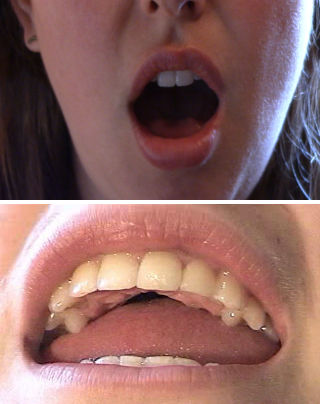
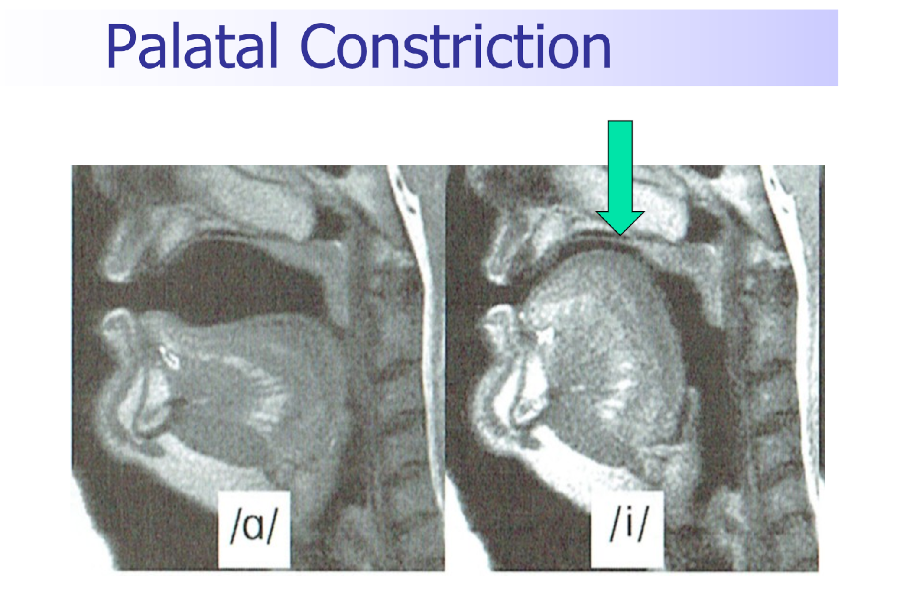
- Excellent! I say and then proceed to show them with my mouth that even a little bit of dropping the dorsum is enough to keep the proper palatal constriction from occurring.
I then might do this exercise:
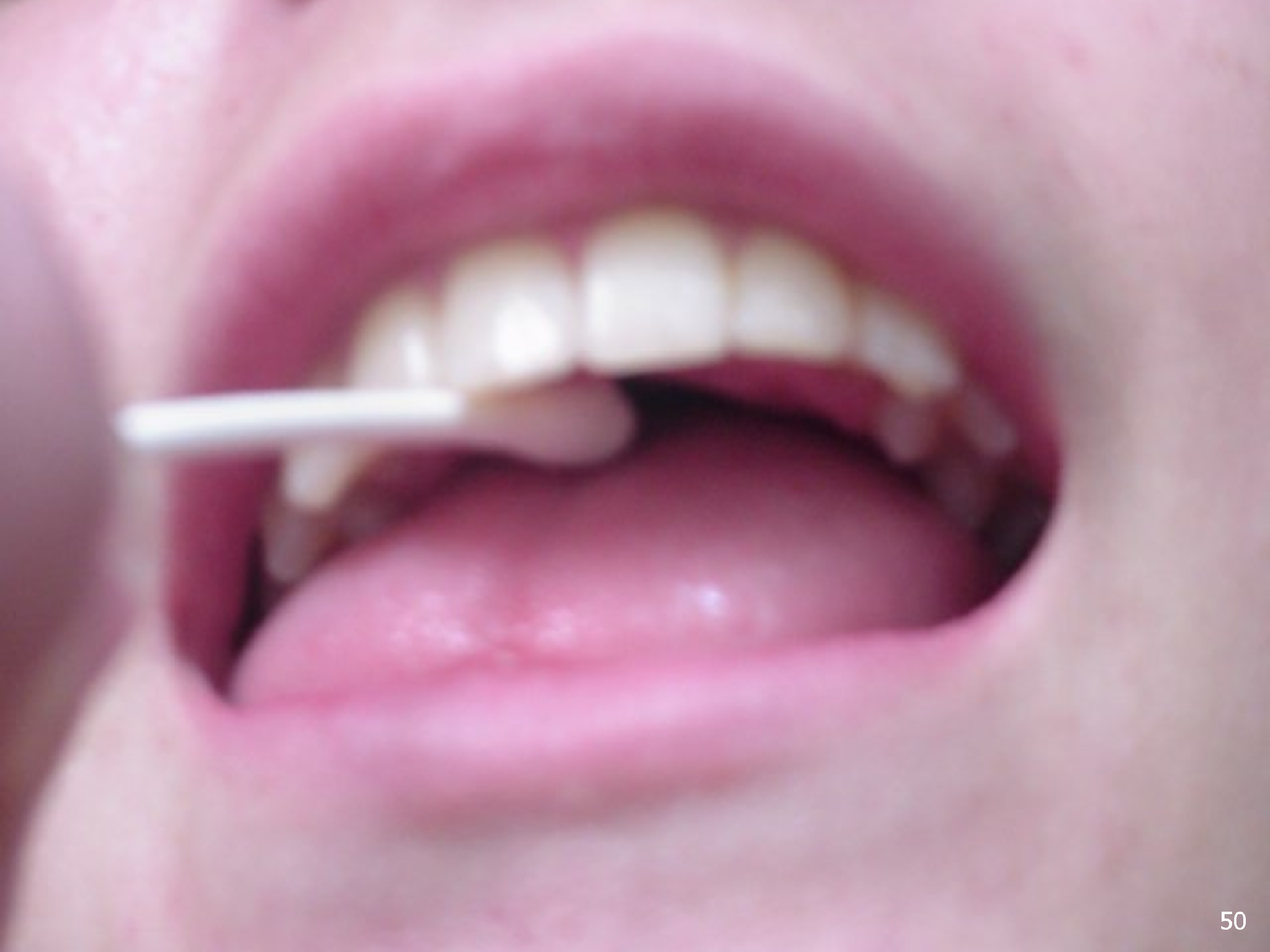
I put a Q-tip midline going back to the end of the hard palate in the student’s mouth angling it as high as I can. I explain to the student that their job is to say EERSHA touching the cotton of the Q-tip. Using a mirror and a flashlight, the student watches as they try to touch the cotton part with their dorsum. What typically happens is that the student does not touch the cotton part but makes a good R sound in EERSHA. We then have a conversation:
- OK, I saw you reaching for that cotton part with the middle of your tongue but you didn’t reach it. But, I heard a good R in EERSHA. Can you explain that?
- The student thinks for a bit and then shakes their head.
- I ask, Were you trying to keep the middle of your tongue up high?
- Yes.
- Good! I say. So you tried to keep your tongue up higher and you made a good R in EERSHA. When you said EEUHSHA earlier, you said you dropped your tongue. So what does all this mean?
- When I keep my tongue up higher, I get a good R.
- Excellent!
Not to be too nerdy, but sometimes I would have thoughts in my mind. If this student moved and the new SLP asked what they were working on, what would they say?
Stephen Sacks
SATPAC Speech
Recipient of the Van Hattum Award for Contribution in the Schools
October Newsletter: Diphthongs for R and Teaching Incorrect Lip Position on Purpose
P.S. To really understand what I am talking about and you having the ability to ask questions, I recommend you sign up for the first of three free 3-hour SATPAC live presentations on September 11 from 9:00 to 12:15 Pacific Time. The first webinar concentrates on understanding the SATPAC Program and remediating the S sound.
Here is the link to register: https://docs.google.com/forms/d/e/1FAIpQLSc8Aj8qwFOIMFO3HV6CJWhTAXDh3SoriZGoGwji2qXagSVl3g/viewform?usp=header
Or, if you are unable to fit this into your schedule, you can watch recorded webinars of the same material. Register here: https://docs.google.com/forms/d/e/1FAIpQLSfqMjvjdUKMB0AmVVZHvv5IQqAnaSW_O9L4jd0zwoqNdGqjIw/viewform
Contact steve@satpac.com if you are interested in having me present webinars to your school district or organization. Also, I’ve been quite successful in remediating those hard articulation cases that you might still be having difficulty with after a few years. That’s why I’m writing as my private practice kids are almost all remediated! So, if you would like to refer to me, just use my email address above.